


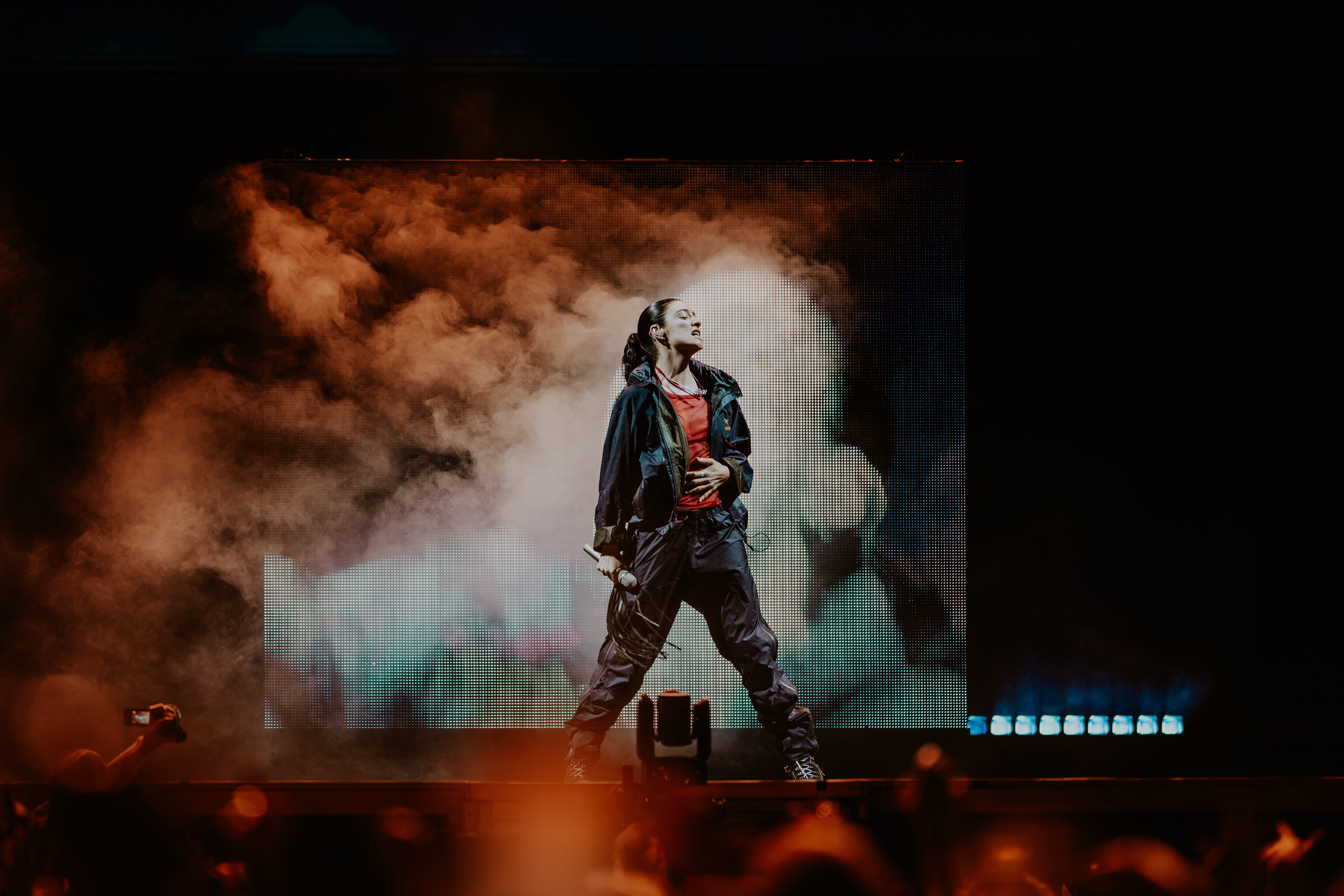
Lorde closed out the second day of weekend two of the Austin City Limits Music Festival with an extraordinary performance filled with joy, vulnerability, and a sense of connection that can be difficult to find at a massive festival.
It was easily the best performance I witnessed throughout the weekend and one of the most memorable sets I’ve experienced in my 10 years of attending ACL.
The occasion carried special significance. Saturday marked the 95th and final show of Lorde’s Ultrasound World Tour, which began in Austin in September 2025. After traveling around the world in support of her fourth studio album, Virgin, she had returned to the city where it all started to bring it all to a close.
It was also her first appearance at ACL since 2013, when she was still a teenager introducing the world to Pure Heroine. Thirteen years later, the artist standing onstage was almost unrecognizable from that young girl, not because she had abandoned who she was, but because of how fully she had grown into herself.
And for 90 minutes, we got to witness that growth.
Lorde opened with a brief rendition of “Royals,” the breakthrough hit that introduced her to the world. The song received an enthusiastic response, but she didn’t linger in nostalgia. After giving the crowd just enough of the familiar anthem, she moved into “What Was That,” the lead single from Virgin, immediately establishing that this was about where she is today, not simply where she came from.
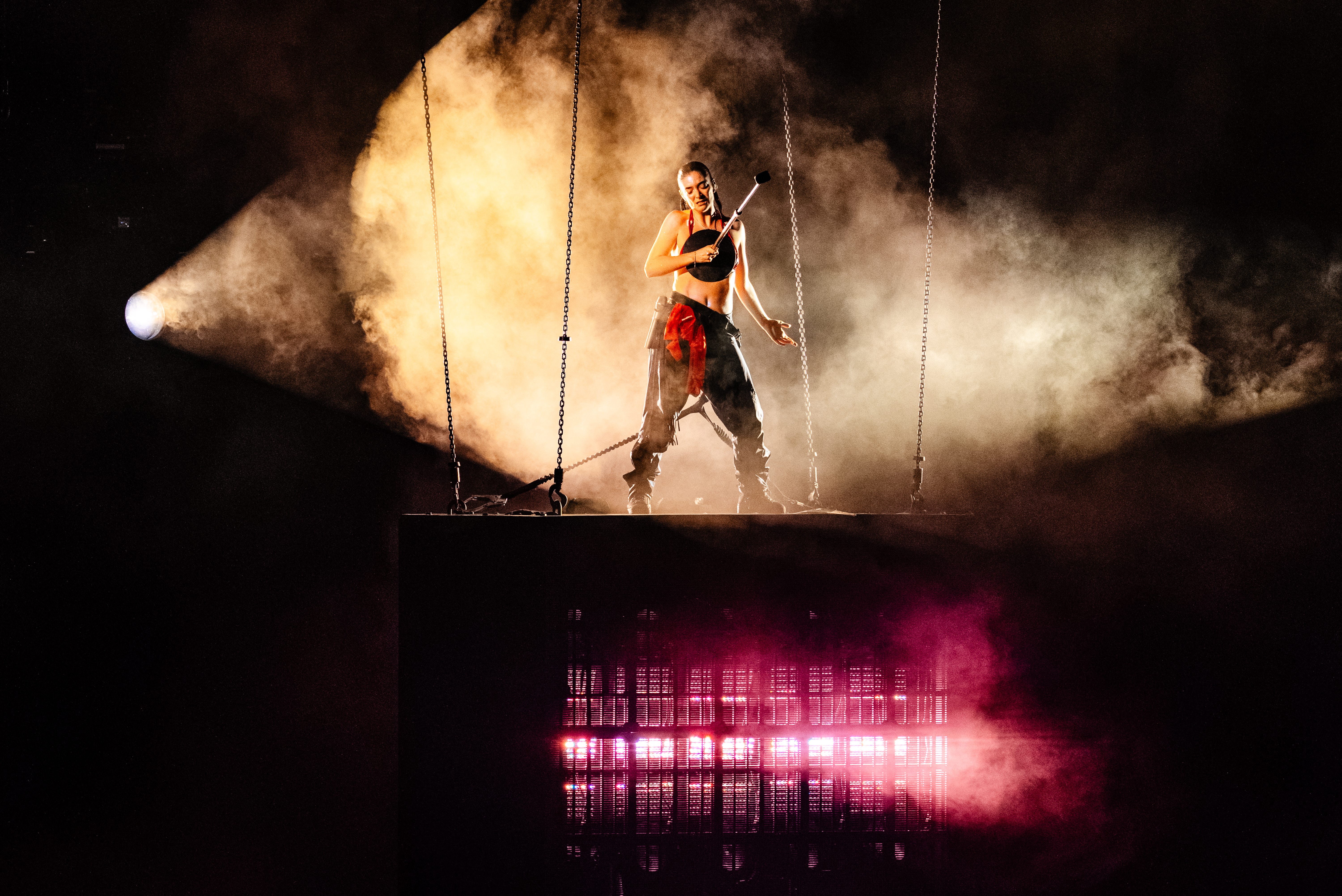
Throughout the night, Lorde moved effortlessly between the different chapters of her discography. “Shapeshifter,” “Hard Feelings,” and “Supercut” were among the evening’s many highlights, while “Team” offered a particularly meaningful return to her earliest work.
There’s something about Lorde’s music, particularly the songs from Pure Heroine, that captures the complicated beauty of being young. Friendship, belonging, uncertainty, and the feeling that the people around you are your entire world. Those themes take on a different meaning when you’re no longer the teenager who first heard them.
Hearing “Team” more than a decade later felt like revisiting an old friend. The song hasn’t changed, but the people singing along certainly have.
That sense of shared history was present throughout the evening.
Interestingly, Lorde was performing opposite Rüfüs Du Sol, whose headlining set on the other side of Zilker Park was loud enough to occasionally bleed into hers. Lorde briefly acknowledged the competing sound, but even that couldn’t distract from the brilliant performance she put on at the T-Mobile Stage.
The energy was relentless, in the best possible way.
Having watched Charli XCX headline the previous evening, the contrast was striking. Charli delivered an impressive, visually compelling performance, but something about the crowd’s connection to the music felt incomplete. Lorde’s audience, by comparison, seemed completely immersed from beginning to end. There was more singing, more dancing, and a palpable feeling that everyone was experiencing something together.
That difference was especially apparent during “Girl, So Confusing,” Lorde’s collaboration with Charli. As exciting as the song was during Charli’s set, hearing it Saturday somehow felt even better.
And then there was “Green Light.”
Hearing this song live at ACL was something else. Thousands of people were singing and dancing along, with green lights lighting up the crowd. It was easily one of the most exciting moments of the night, and a reminder of just how incredible Melodrama is nearly a decade later.
There was so much joy in that moment. Looking around and seeing everyone completely lose themselves in the music made it even better. It’s the kind of experience that makes seeing a song live so much more special than just listening to it.
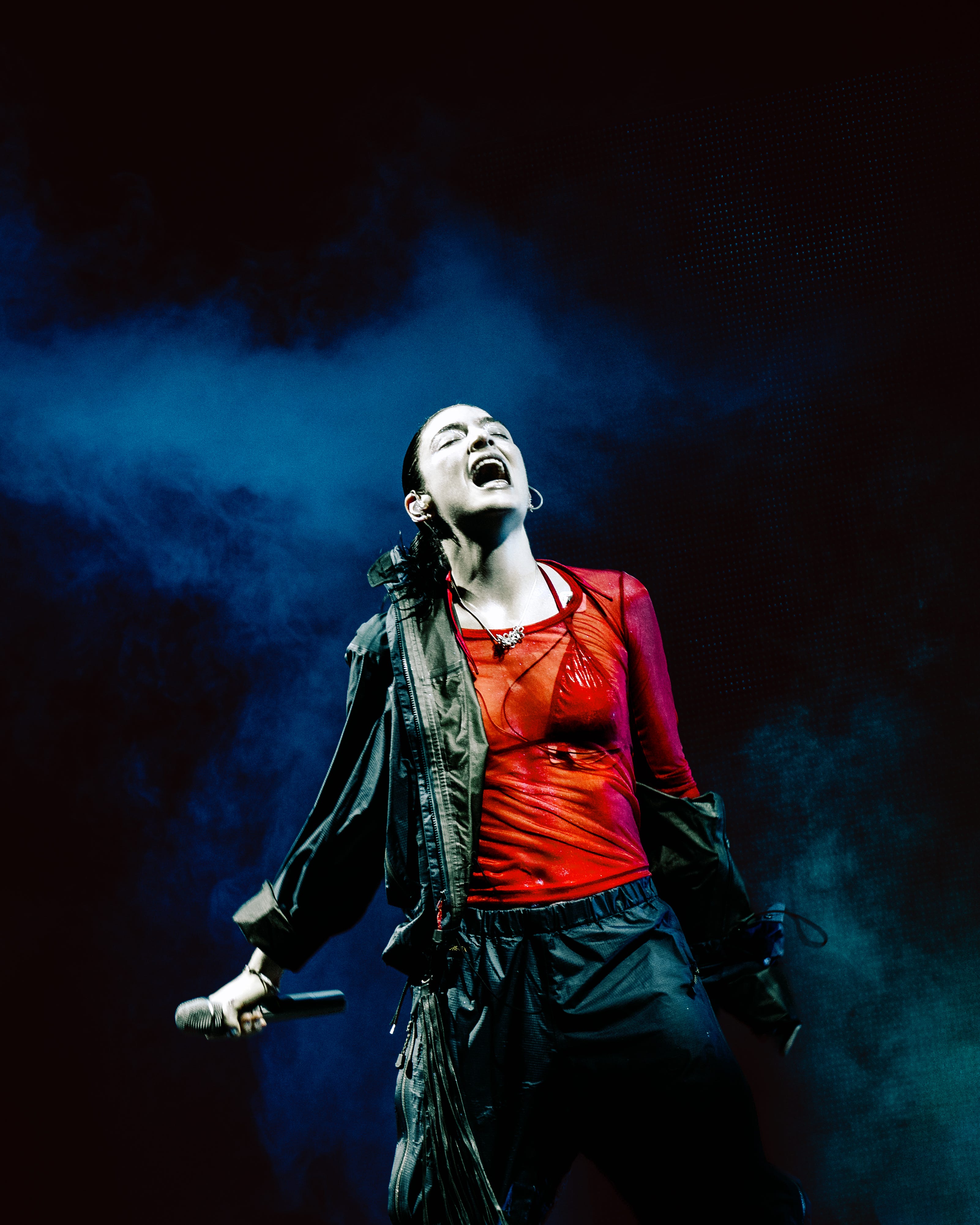
But for all the dancing and excitement, the night’s most powerful moments came when Lorde allowed herself to be vulnerable.
Earlier in the evening, she warned the crowd that she might become emotional, acknowledging that this was the final night of a tour that had profoundly changed her.
Before performing “Liability,” she reflected on freedom, personal growth, and the woman she had always hoped to become. She also spoke about recently becoming an independent artist, describing the freedom that comes with taking ownership of her next chapter.
She thanked the people who helped make the tour possible, including her band, dancers, crew, and fans. It was a deeply personal moment, one that made it clear just how much these 95 shows had meant to her.
And when she began singing “Liability,” it was clear just how emotional she was.
Lorde struggled to get through parts of the song, with the crowd singing along to help her finish. It was a beautiful moment, especially knowing how much this tour meant to her and how personal the song is.
Watching her get emotional made me emotional, too. There was something really special about seeing an artist who has grown so much over the years take in everything she had accomplished. I don’t know Lorde personally, obviously, but I couldn’t help feeling proud of her. And judging by the crowd’s reaction, I don’t think I was alone.
Perhaps that’s what makes Lorde such a compelling performer. She doesn’t simply sing about vulnerability; she allows herself to experience it in front of thousands of people. There’s no sense that she’s trying to manufacture an emotional moment. The connection feels genuine because, at least on Saturday night, it was.
That authenticity extended to her stage presence. Compared with the more restrained performances of her early career, Lorde now moves with a freedom that feels entirely her own. She dances without inhibition, embraces the physicality of her music, and radiates an unmistakable joy in being onstage.
The evolution from Solar Power to Virgin alone is remarkable. But witnessing her perform songs spanning her entire career made the transformation even more apparent.
Lorde has always understood how to articulate the emotions that accompany growing up. Now, she seems to have found a new freedom in living through those changes rather than simply observing them.
And nowhere was that more evident than during the night’s final song.
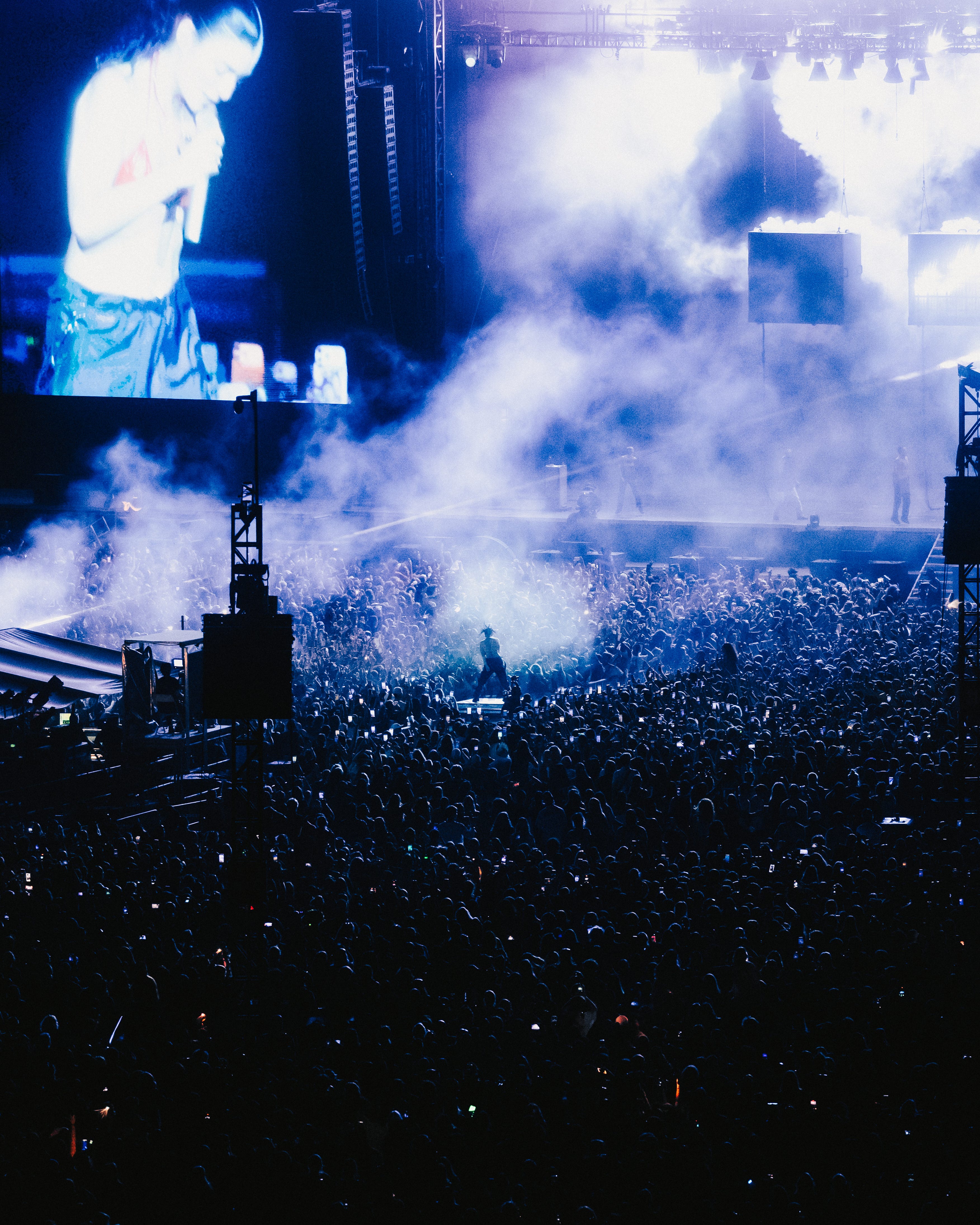
For “Ribs,” Lorde made her way to B-stage - placing herself in the middle of the thousands of people who had gathered to see her.
What happened next was nothing short of extraordinary.
People jumped. They danced. They cried. Friends wrapped their arms around one another.
For a few minutes, nothing else seemed to matter.
“Ribs” has always been about the fear of growing older and wanting to hold on to your youth for as long as possible. It’s a song about friendship, those carefree moments when you’re young, and the realization that life won’t always be that way.
But hearing Lorde perform it at 29, on the final night of a tour that meant so much to her, made the song feel different. The teenager who once sang about being afraid of growing up was now standing in front of thousands of people, having become the woman she always hoped she would be.
And in many ways, the fans who grew up listening to her music had gone through that same journey.
As the song came to an end, fireworks erupted over Zilker Park. It was the perfect ending to an already incredible night, with thousands of people celebrating together.
What made it so special wasn’t just the nostalgia of hearing a song many of us have loved for over a decade. It was thinking about everything that’s happened since we first heard it. The friendships, heartbreaks, changes, and all the experiences that come with growing up. And somehow, all those years later, we were there together, singing that same song in the middle of Austin.
For an artist whose music has so often explored the passage of time, there could hardly have been a more fitting ending.
Lorde began the Ultrasound World Tour in Austin searching for freedom and ended it in the same city seemingly having found it.
And for 90 minutes at Zilker Park, she shared a little of that freedom with the rest of us.
Some concerts remind you why you love live music.
Others remind you why you love being alive.
Saturday night was both.